MoPH Holds Technical Workshop to Update National Maternal and Child Nutrition Guidelines
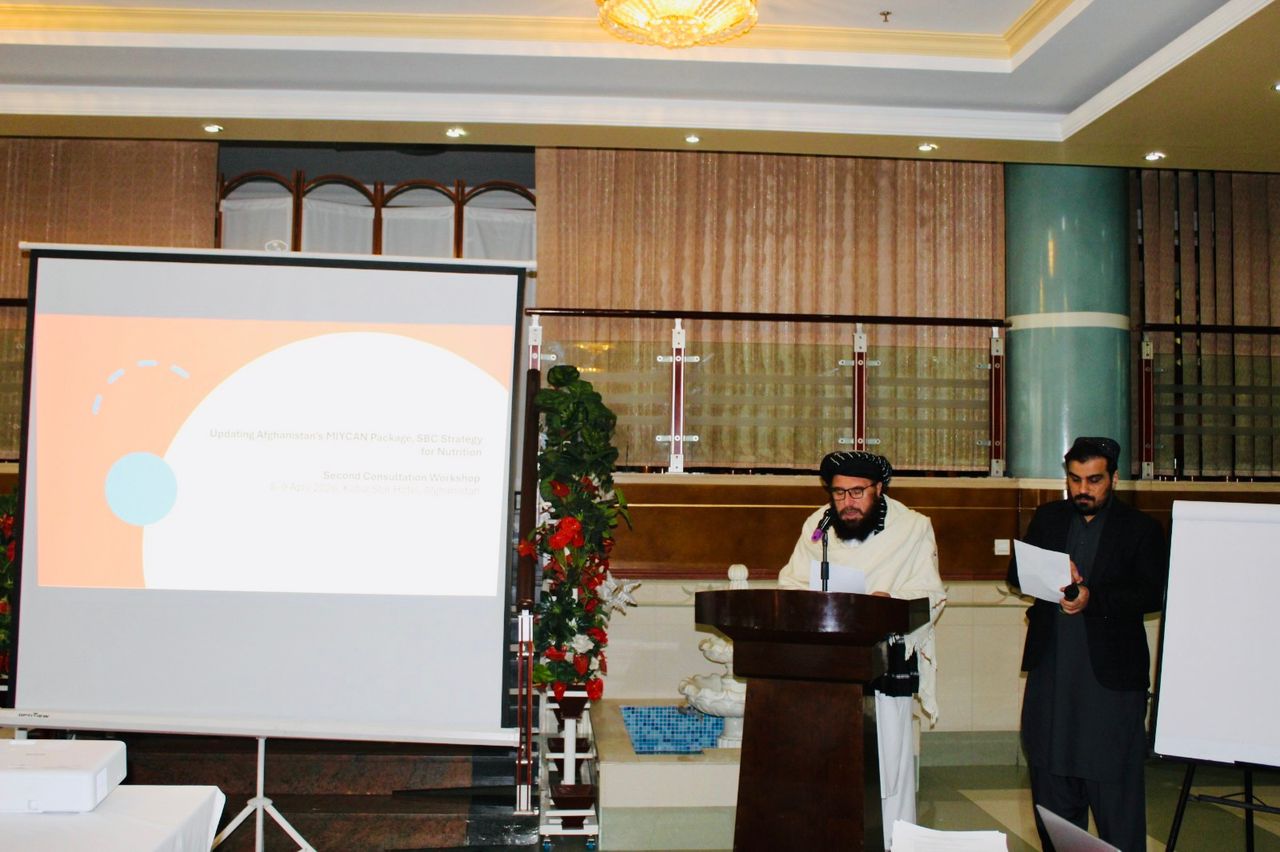
The Public Nutrition Directorate of the Ministry of Public Health has conducted a two-day technical workshop to review and update the national guidelines on maternal and child nutrition.
The workshop, aimed at conducting a comprehensive technical review and updating of the national guidelines on maternal and child nutrition in line with the latest evidence and recommendations—particularly in coordination with the World Health Organization—was attended by the deputy minister for Health Services, Mawlawi Abdul Wali Haqqani: Director of Public Nutrition Dr. Hikmatullah Masoomi, and relevant national and international partners.
The process is being conducted in line with the country’s current conditions and service delivery challenges, aiming to produce a practical and standardized guideline for healthcare workers, especially frontline providers
Mawlawi Abdul Wali Haqqani highlighted the importance of the initiative, stating that the review and standardization of the national guideline on maternal and child nutrition is a fundamental and strategic step in the public nutrition sector.
Dr. Hikmatullah Masoomi said the new guideline, developed through joint efforts with technical partners, will improve service quality, ensure consistent implementation, and strengthen evidence-based interventions. He added it will serve as a practical tool for healthcare workers to deliver nutrition services in line with national standards.
It is worth noting that the national guideline on maternal and child nutrition was last revised in 2019. However, based on updated international guidance and practical experience, it had key gaps, including a life cycle approach to nutrition, adolescent nutrition, integration of early childhood development (ECD), and a structured SBCC framework.
To address these technical gaps, the review and updating of the national guideline on maternal and child nutrition is considered a key strategic step, expected to standardize evidence-based interventions, improve service quality and consistency, strengthen the balance between preventive and curative interventions, and support sustainable solutions to break the cycle of intergenerational malnutrition.
